Bulls Pistons Rivalry: The Ultimate Showdown In NBA History - Beyond basketball, the Bulls Pistons rivalry became a cultural phenomenon, influencing fashion, music, and media. The rivalry's iconic moments and legendary players remain celebrated in pop culture, ensuring its legacy endures. The Bulls Pistons rivalry dates back to the late 1980s and early 1990s, a period when both teams were at the pinnacle of their respective powers. The Detroit Pistons, known as the "Bad Boys," were a dominant force in the NBA during the late 1980s, winning back-to-back championships in 1989 and 1990. Meanwhile, the Chicago Bulls, led by Michael Jordan and Scottie Pippen, were just beginning to establish themselves as a powerhouse.
Beyond basketball, the Bulls Pistons rivalry became a cultural phenomenon, influencing fashion, music, and media. The rivalry's iconic moments and legendary players remain celebrated in pop culture, ensuring its legacy endures.
Fans of both teams remain engaged, celebrating the rivalry's history and legacy. Social media platforms and online forums provide spaces for fans to discuss and reminisce about the iconic moments that defined this legendary matchup.
The Bulls Pistons rivalry is filled with defining moments that have become part of NBA folklore. These moments highlight the intensity and competitiveness of the matchups, showcasing the best of both teams.

In the 1991 Eastern Conference Finals, the Bulls finally overcame the Pistons, defeating them in five games. This series marked the end of the Pistons' dominance and the beginning of the Bulls' dynasty. Jordan's performance in Game 5, where he scored 46 points, was particularly memorable.
During the 1988-1989 season, the Pistons defeated the Bulls in the Eastern Conference Finals, marking the beginning of their rivalry. The Pistons' "Jordan Rules" strategy, designed to limit Jordan's effectiveness, became a defining aspect of their matchups. Despite the Bulls' eventual dominance in the 1990s, these early encounters set the stage for a long-standing rivalry.
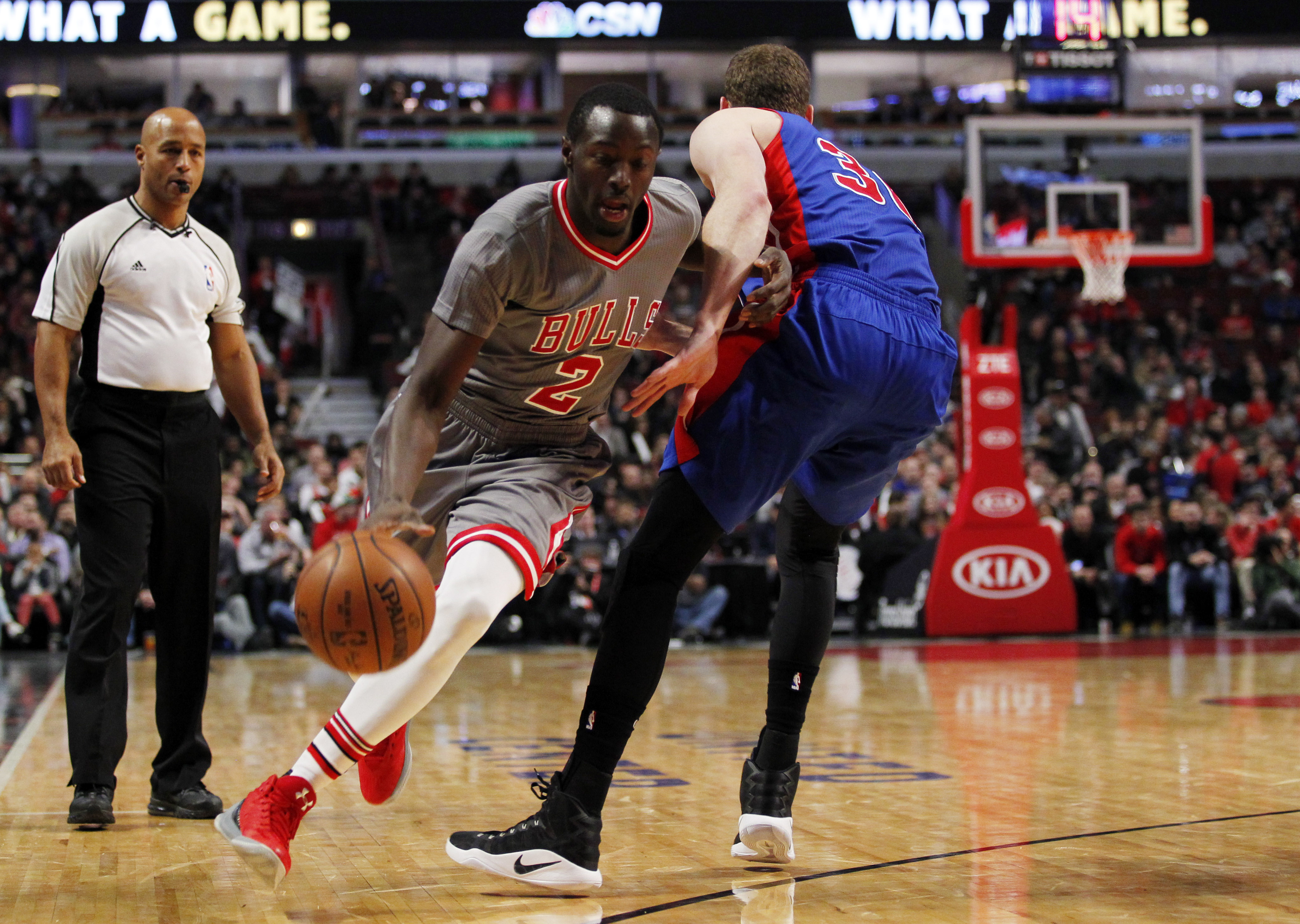
Young players and coaches often cite the Bulls Pistons rivalry as a source of inspiration, drawing lessons from their battles and strategies. The emphasis on teamwork, defense, and resilience continues to resonate in today's game.
Chuck Daly's focus on defense was a cornerstone of the Pistons' success. His "Jordan Rules" strategy, designed to limit Jordan's scoring opportunities, was a testament to his coaching acumen. Daly's ability to adapt and innovate was crucial in the Pistons' championship runs.
The rivalry intensified as the Bulls emerged as a legitimate contender, challenging the Pistons' dominance in the Eastern Conference. The Pistons were known for their tough, physical style of play, often using aggressive defensive tactics to neutralize Jordan's scoring ability. This led to some of the most physical and intense playoff series in NBA history.
In the 1989 Eastern Conference Finals, the Pistons defeated the Bulls in four games, showcasing their dominance during that era. The series highlighted the Pistons' physical style of play and their ability to neutralize Jordan's scoring prowess.
Throughout their history, these two franchises have produced some of the most memorable moments in basketball. From intense playoff battles to unforgettable individual performances, the Bulls and Pistons have consistently delivered high-stakes games that captivated fans worldwide. This article dives deep into the history, key players, and defining moments of this legendary rivalry, providing insights that will appeal to both casual fans and die-hard basketball enthusiasts.
The Bulls Pistons rivalry remains one of the most celebrated in NBA history, defined by its intensity, legendary players, and lasting legacy. From the early battles in the late 1980s to the championship runs of the 1990s, this rivalry has left an indelible mark on the world of professional sports.
Bulls fans were known for their unwavering support, filling the United Center with energy and enthusiasm. Their chants and cheers fueled the team's momentum, creating a home-court advantage that was difficult to overcome.